

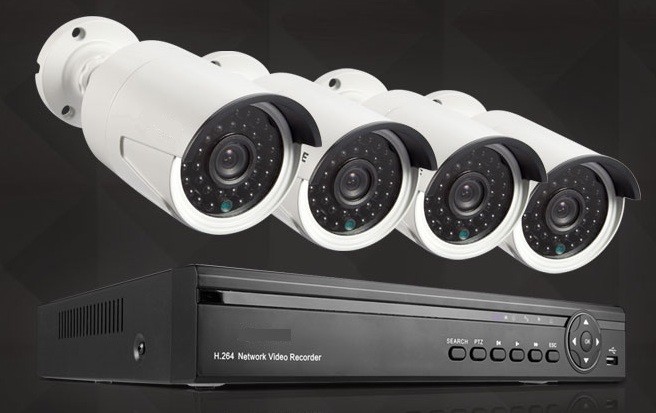
CCTV is the most common security investment Kenyan homes and businesses make – but “how much does it cost?” depends almost entirely on how many cameras you need and how good they are. A basic four-camera home system and a sixteen-camera commercial setup are very different jobs. This guide gives realistic 2026 price ranges by system size, explains what should be included in a proper installation, and breaks down what makes the price rise: resolution, IP versus HD, and storage. Biosys Kenya supplies and installs Hikvision and Uniview CCTV with remote mobile viewing, and every installation includes free cable management, a 12-month workmanship warranty, and a free site survey.
How much does CCTV installation cost in Kenya?
As a guide, a basic four-camera HD home system in Kenya costs roughly KES 25,000 to KES 45,000 supplied and installed; budget supply-only kits start lower, from about KES 20,000. An eight-camera system typically runs KES 45,000 to KES 80,000, and a sixteen-camera commercial installation starts from around KES 80,000 and rises with higher-resolution or IP cameras and larger storage. Installation labour is commonly charged at around KES 1,000 to KES 2,000 per camera. Most shop equipment prices exclude 16% VAT, so always confirm whether a quote is VAT-inclusive. The right figure for your property depends on camera count, resolution, and cable runs; a site survey gives an exact number.
| System size | Typical cost (supplied + installed) | Best for |
|---|---|---|
| 4 cameras, HD (2MP) | KES 25,000 – 45,000 | Homes, small shops |
| 8 cameras, HD/IP | KES 45,000 – 80,000 | Larger homes, offices, restaurants |
| 16 cameras, IP/commercial | From KES 80,000+ | Supermarkets, schools, industrial sites |
What’s included in a CCTV installation
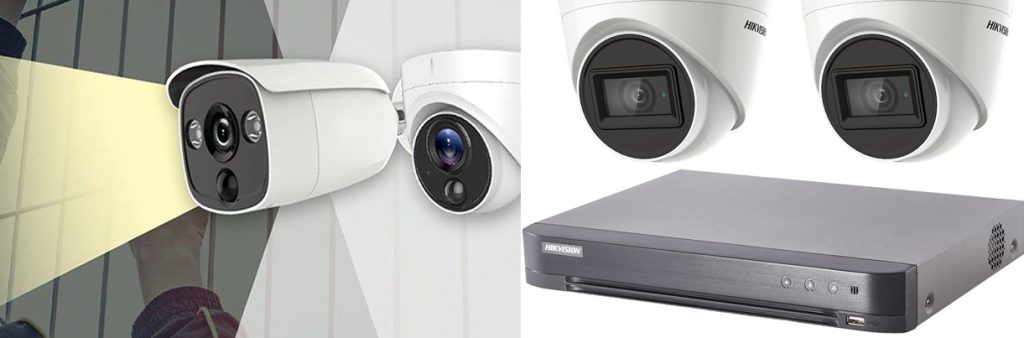
A complete CCTV system is more than cameras. A proper installation includes the cameras themselves, a DVR or NVR recorder, a hard drive sized for the recording days you need, a power supply, the cabling and connectors, mounting and weatherproofing for outdoor units, configuration of remote mobile viewing, and the installation labour. A Biosys Kenya installation also includes free cable management tidy, concealed cabling rather than exposed wires, and a 12-month workmanship warranty. The cheapest quote often leaves out the hard drive or skimps on cable quality, so compare quotes on the same specification.
What affects the price of CCTV INstallation in Kenya
Camera resolution (2MP, 4MP, 8MP)
Resolution is the clearest price driver. A 2MP (1080p) camera is the affordable standard and is fine for general coverage. A 4MP or 8MP (4K) camera captures far more detail useful where you need to read number plates or faces at a distance, but costs more per camera. Mixing resolutions is common: higher-resolution cameras on entrances and gates, standard ones elsewhere, to balance clarity against budget.
IP vs HD cameras
HD (analogue, also called HD-TVI) systems are cheaper and use coaxial cabling, a solid, economical choice for homes and small premises. IP (network) cameras cost more but deliver higher resolution, smarter analytics and easier expansion, and they run over network cabling. For most homes, HD is the value choice; for larger commercial sites that need detail and analytics, IP is usually worth the extra.
Storage and recording days
How many days of footage you keep is set by the hard drive in the recorder. More cameras, higher resolution and more recording days all need a bigger drive, which adds to the cost. A typical home system stores one to two weeks; businesses often want 30 days or more. Tell your installer how many days you need so the drive is sized correctly from the start.
Hikvision vs Uniview: which brand is best for CCTV installations in Kenya
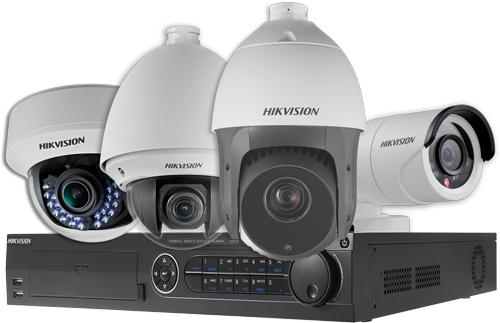
Biosys Kenya installs both Hikvision and Uniview, the two most widely supported CCTV brands in Kenya. Hikvision has the widest range and the strongest local availability of cameras and spares. Uniview offers excellent value and reliable image quality and is a strong choice on a tighter budget. Both support remote mobile viewing and integrate with access control and alarms. The right brand depends on your budget, the resolution you need and whether you are expanding an existing system.
Solar-powered and 4G CCTV: cost and when it’s worth it
For sites with no reliable mains power or no fixed internet, construction sites, farms, remote gates, and solar-powered and 4G cameras are the answer. A solar CCTV camera runs off its own panel and battery, and a 4G camera sends footage over a SIM rather than fixed internet. Both cost more per camera than a standard wired unit, but they remove the need for trenching power and data cables across a site, which can make them cheaper overall on a large or remote property. They are also unaffected by KPLC outages.
Can I view my CCTV on my phone?
Yes. Every Biosys Kenya CCTV installation supports remote viewing on your phone through the Hik-Connect or Uniview app on Android and iOS. You need an internet connection at the recorder, fibre or a 4G router, and once it is set up, you can watch live footage, play back recordings and receive motion alerts from anywhere. This is standard on modern systems and does not add a recurring fee beyond your internet cost.
Frequently Asked Questions on Cost in CCTV Installation in Kenya
How much does CCTV installation cost in Kenya?
A basic four-camera HD system in Kenya costs roughly KES 25,000 to KES 45,000 supplied and installed, an eight-camera system about KES 45,000 to KES 80,000, and a sixteen-camera commercial system from KES 80,000 upward. Resolution, IP versus HD cameras and storage size change the final price, and most equipment prices exclude 16% VAT.
How much does a 4-camera CCTV system cost in Kenya?
A four-camera HD home system typically costs KES 25,000 to KES 45,000, supplied and installed. Budget supply-only kits start from about KES 20,000, with installation labour added on top. Higher-resolution or IP cameras raise the price.
How much is CCTV installation labour per camera in Kenya?
Installation labour is commonly charged at around KES 1,000 to KES 2,000 per camera, depending on whether the camera is wired or wireless and how complex the site is. A site survey confirms the exact labour cost for your property.
Can I watch my CCTV cameras on my phone?
Yes. Biosys Kenya CCTV installations support remote viewing through the Hik-Connect or Uniview app on Android and iOS. With an internet connection at the recorder, you can view live footage, play back recordings and receive motion alerts from anywhere.
What is the difference between IP and HD CCTV cameras?
HD (analogue) cameras are cheaper and use coaxial cabling, which suits most homes. IP (network) cameras cost more but offer higher resolution, smarter analytics and easier expansion. For large commercial sites that need detail, IP is usually worth the extra.
Do CCTV cameras work during a power blackout?
With a backup power supply, yes. Biosys Kenya can fit a battery backup so the cameras and recorder stay on during a KPLC outage, and solar-powered cameras run independently of the grid entirely.
How to get an accurate quote about CCTV Installation Costs in Kenya
Because camera count, resolution and cable runs change the price so much, the most reliable way to budget is a free site survey. A Biosys Kenya technician assesses your property, recommends the right cameras and storage, and gives you an itemised, no-obligation quote. To book, call or WhatsApp +254 722 967544, WhatsApp +254 733 516965, or email info@biosyskenya.com. See full details on our CCTV installation service page.
