


Biometric access control lets you decide exactly who enters your premises and when, using a fingerprint, face scan, or access card instead of a key that can be copied or lost. For Kenyan offices, server rooms, cash offices, hospitals, and gated communities, it is one of the most cost-effective security upgrades available. But the price depends heavily on how many doors you are securing and which verification method you choose. This guide sets out realistic 2026 cost ranges in Kenya, breaks down what a single-door system actually includes, and explains what makes the price go up or down. Biosys Kenya installs ZKTeco and Hikvision systems, and every project begins with a free site survey.
How much does biometric access control cost in Kenya?
As a guide, a complete single-door fingerprint access system in Kenya, supplied and installed, typically costs between KES 45,000 and KES 70,000. That covers the reader, an electric or magnetic lock, a power supply with battery backup, an exit button, emergency release, cabling, and installation. Each additional door usually adds roughly KES 25,000 to KES 40,000, depending on the hardware. Face-recognition terminals and networked multi-door systems with management software cost more, and large multi-site installations can run well into the hundreds of thousands. Many quoted equipment prices exclude 16% VAT, so always confirm whether a figure is VAT-inclusive. A site survey is the only way to get an exact number.
What’s in a biometric access control system
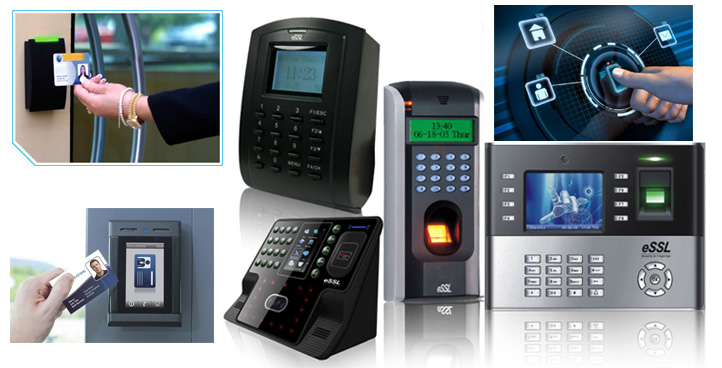
A door access system is a set of parts working together, not a single gadget. A typical installation includes the biometric reader (fingerprint, face or card), an electric or magnetic lock that holds the door, a power supply with a backup battery so the door stays secure during outages, an exit button on the inside, an emergency break-glass release for safe evacuation, a door closer, the controller and cabling, and the labour to mount and configure everything. Skipping the backup battery or the emergency release to save money is a false economy: the first leaves your door unsecured during a blackout, the second is a genuine safety risk.
Single-door system: a cost breakdown
To show where the money goes, here is a typical itemised breakdown for a basic single-door fingerprint system in Kenya. Treat these as indicative market figures – your final quote depends on the exact hardware and site.
| Component | Typical cost (KES) |
|---|---|
| Biometric reader (e.g. ZKTeco F18) | 18,000 – 20,000 |
| Power supply + backup battery | 6,500 |
| Magnetic lock (280kg) | 4,500 – 5,500 |
| Exit button | 1,500 |
| Emergency break-glass release | 1,500 |
| Key switch | 1,800 |
| Door closer | 4,500 – 5,000 |
| Mounting brackets (ZL) | 4,500 |
| Cabling + accessories | ~5,000 |
| Installation labour | ~8,000 |
| Typical total (single door) | ~45,000 – 70,000 |
What does it cost to add more doors
Most of the one-off cost sits in the first door. Once the system is set up, each additional door mainly needs its own reader, lock and accessories – usually around KES 25,000 to KES 40,000 per door. If you are securing several doors, a networked controller that manages multiple doors from one point is more economical and adds central management and reporting. For multiple branches, a system that links sites over the internet lets you manage access for every location from a single dashboard.
Fingerprint, face or card: how the method affects price
Fingerprint
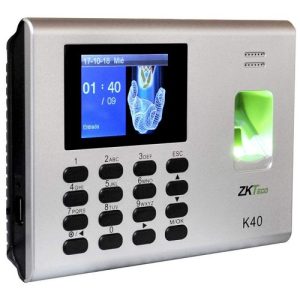
Fingerprint readers are the most common and most affordable option in Kenya, and they suit most offices and small premises well. The main limitation is hygiene and worn or dusty fingers in industrial settings, where a contactless method may read more reliably.
Face recognition
Face-recognition terminals are contactless and fast, which makes them popular for higher-traffic entrances and for hygiene-sensitive sites such as hospitals. They generally cost more than fingerprint-only readers, so they are best matched to doors where speed and contactless entry genuinely matter.
Card / PIN
RFID cards and PIN keypads are inexpensive and easy to issue, but a card can be shared or lost, and a PIN can be passed on. Many Kenyan businesses use them in combination with a fingerprint or face scan for two-factor entry on sensitive doors – for example, a server room or cash office.
ZKTeco vs Hikvision: brand and cost
Biosys Kenya installs both ZKTeco and Hikvision access control. ZKTeco is the most widely used brand in Kenya for fingerprint and time-and-attendance terminals, with strong local availability and a wide model range that keeps costs down. Hikvision access control integrates cleanly with Hikvision CCTV, which is useful if you want one connected security platform. For most offices, the choice is driven less by brand and more by whether you need attendance tracking, CCTV integration, or contactless entry, your installer should recommend based on those needs, not push a single brand.
The feature that pays for itself: time & attendance
One reason Kenyan businesses choose biometric access is that the same hardware can double as a time-and-attendance system. Because entry is tied to a fingerprint or face, it eliminates “buddy punching” – staff clocking in for absent colleagues, and produces accurate hours that integrate with Kenyan payroll software. For organisations with shift workers, the reduction in payroll leakage and HR admin often offsets the cost of the system within the first year. Restricting access to sensitive areas such as server rooms, stores, and cash offices to authorised staff only is an additional, hard-to-price benefit.
What affects the price in Kenya
Two access-control quotes can differ for sound reasons. The main cost drivers are:
- Number of doors – the biggest factor; the first door costs the most.
- Verification method – face recognition costs more than fingerprint or card.
- Standalone vs networked – networked, software-managed systems cost more but scale better.
- Lock type – magnetic, electric strike or drop-bolt locks differ in price.
- Integration – linking to CCTV, time-and-attendance or multiple branches adds cost.
- Site and distance – cable runs, door condition and distance from Nairobi affect labour.
How to get an accurate quote
Because the door count and your security needs change the price so much, the most reliable way to budget is a free site survey. A Biosys Kenya technician assesses your doors, recommends the right readers and locks, and gives you an itemised, no-obligation quote. To book, call or WhatsApp +254 722 967544, WhatsApp +254 733 516965, or email info@biosyskenya.com See full details on our biometric access control service page.
Frequently Asked Questions on Biometric Access Control Systems
How much does a biometric access control system cost in Kenya?
A complete single-door fingerprint system in Kenya typically costs between KES 45,000 and KES 70,000, supplied and installed, including the reader, lock, power backup, exit button and cabling. Each additional door usually adds about KES 25,000 to KES 40,000. Face-recognition and large networked systems cost more, and many equipment prices exclude 16% VAT.
How much does it cost to add fingerprint access to one door?
For one door, expect roughly KES 45,000 to KES 70,000 for a complete fingerprint system. Most of that is the reader, lock and accessories; the labour is a smaller share. A site survey gives an exact figure for your door.
Is ZKTeco or Hikvision better for access control in Kenya?
Both are reliable. ZKTeco is the most widely used in Kenya for fingerprint and time-and-attendance terminals, with strong local support and good value. Hikvision integrates cleanly with Hikvision CCTV. The best choice depends on whether you need attendance tracking, CCTV integration or contactless entry.
Can biometric access control also track staff attendance?
Yes. The same fingerprint or face reader can record clock-in and clock-out times, which eliminates “buddy punching” and integrates with Kenyan payroll software. For businesses with shift workers, the savings on payroll and HR admin often offset the system cost within the first year.
Does biometric access control work during a power outage?
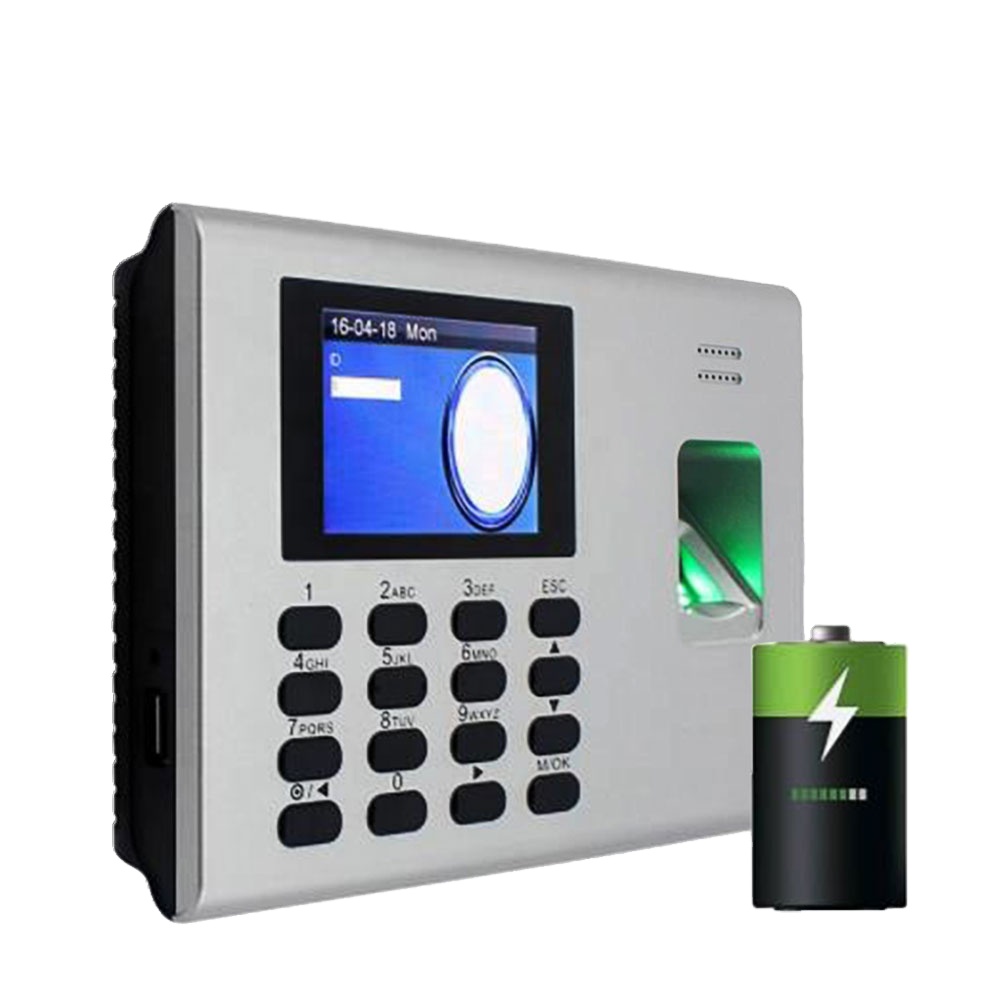
Yes. A properly installed system includes a backup battery so the door stays secured and operable during a KPLC outage, and an emergency break-glass release that lets people exit safely if needed.
Can I control multiple doors or branches from one system?
Yes. A networked controller manages several doors from one point, and an internet-linked system lets you manage access across multiple branches from a single dashboard, including adding or removing users remotely.
